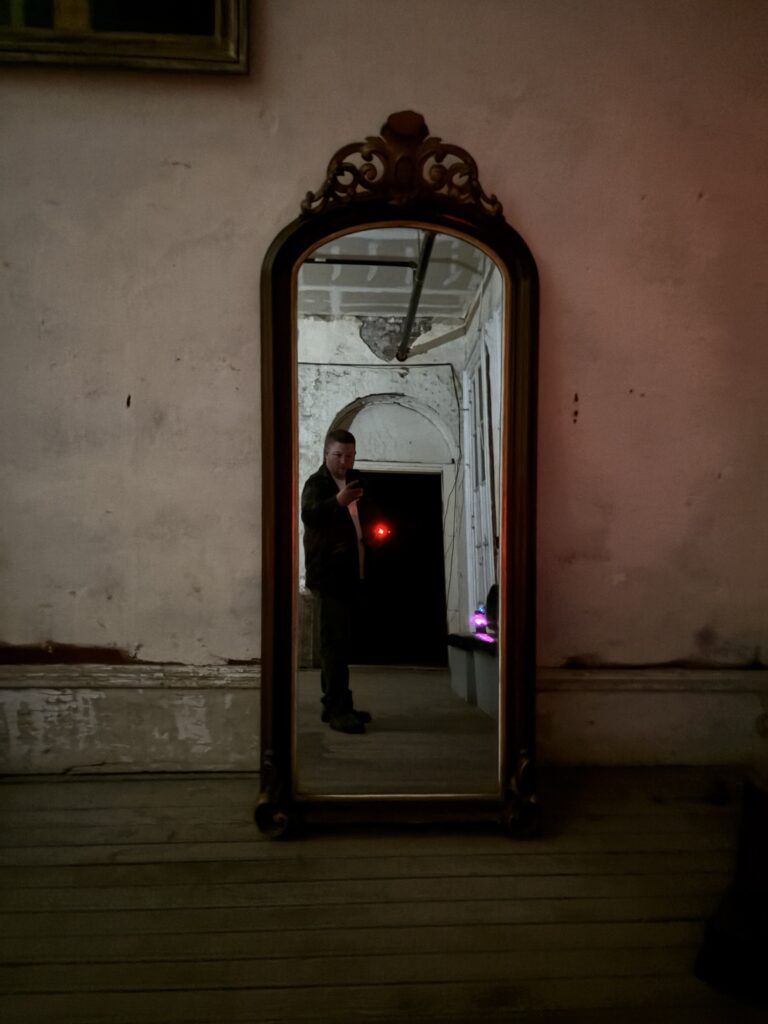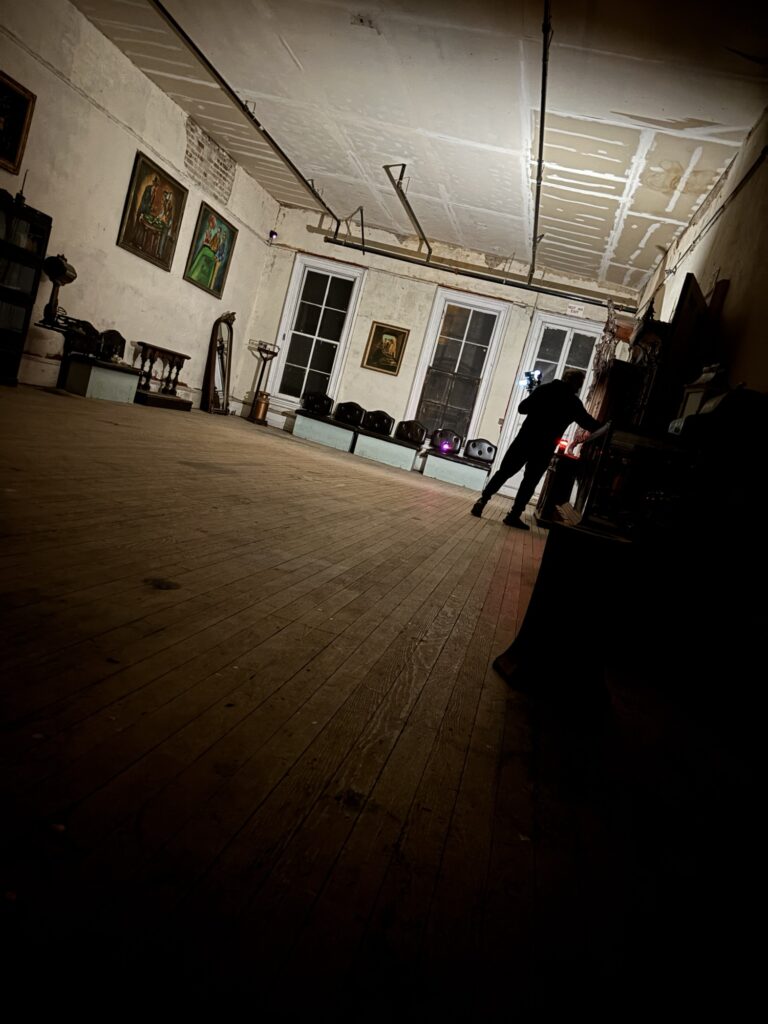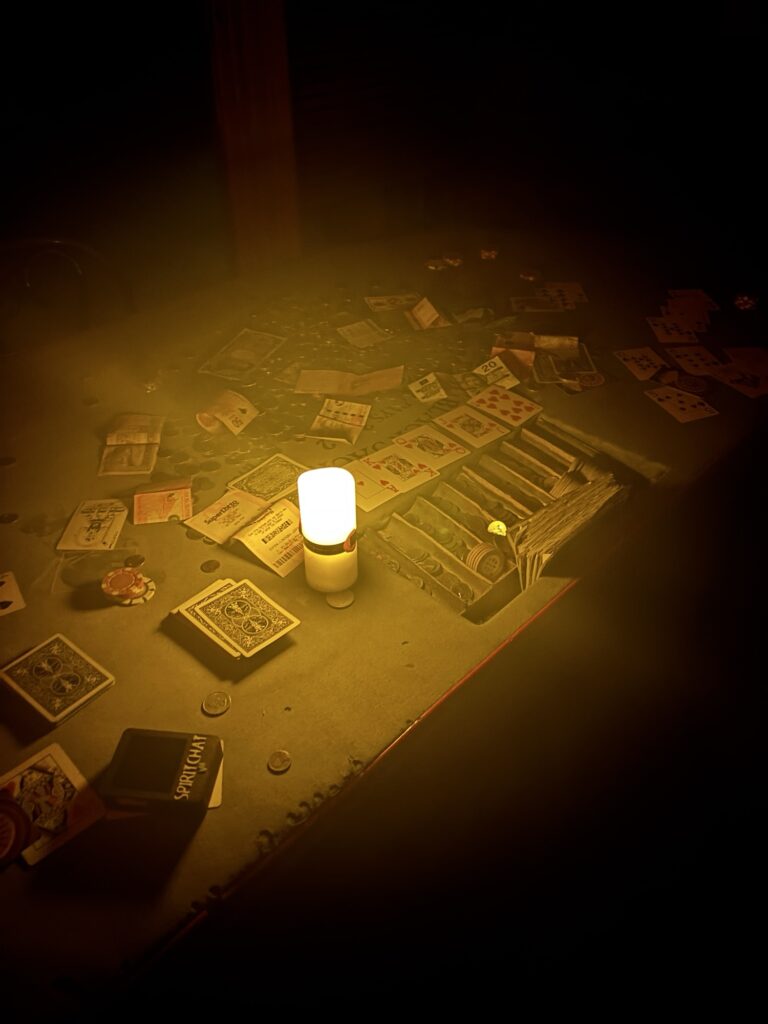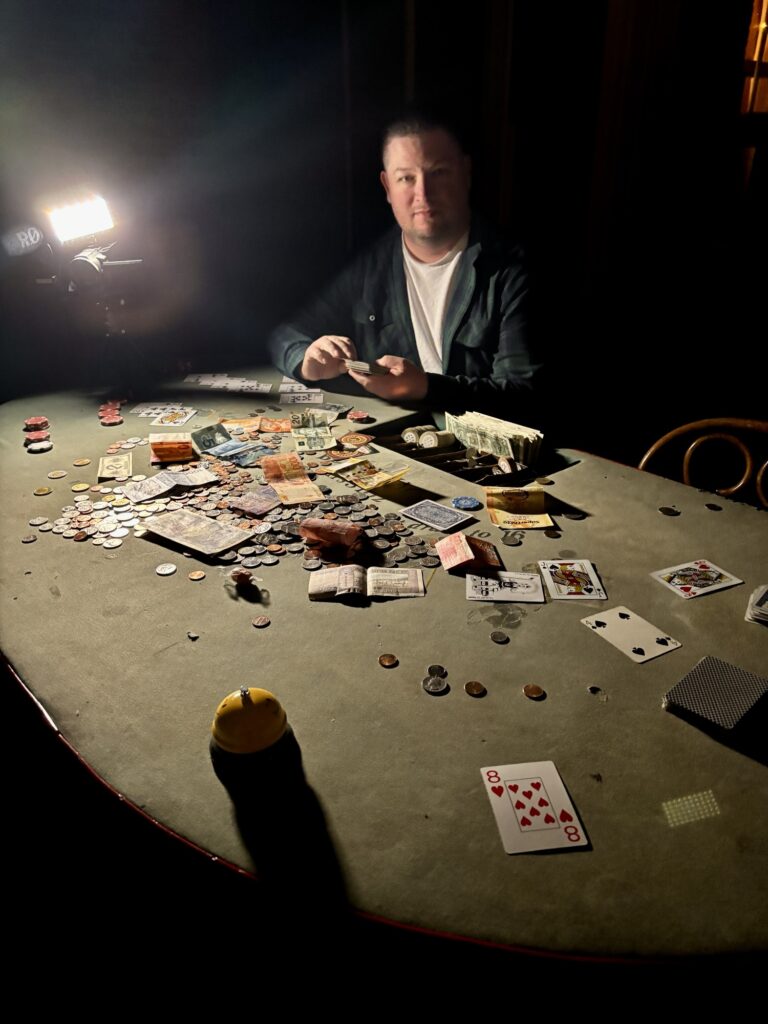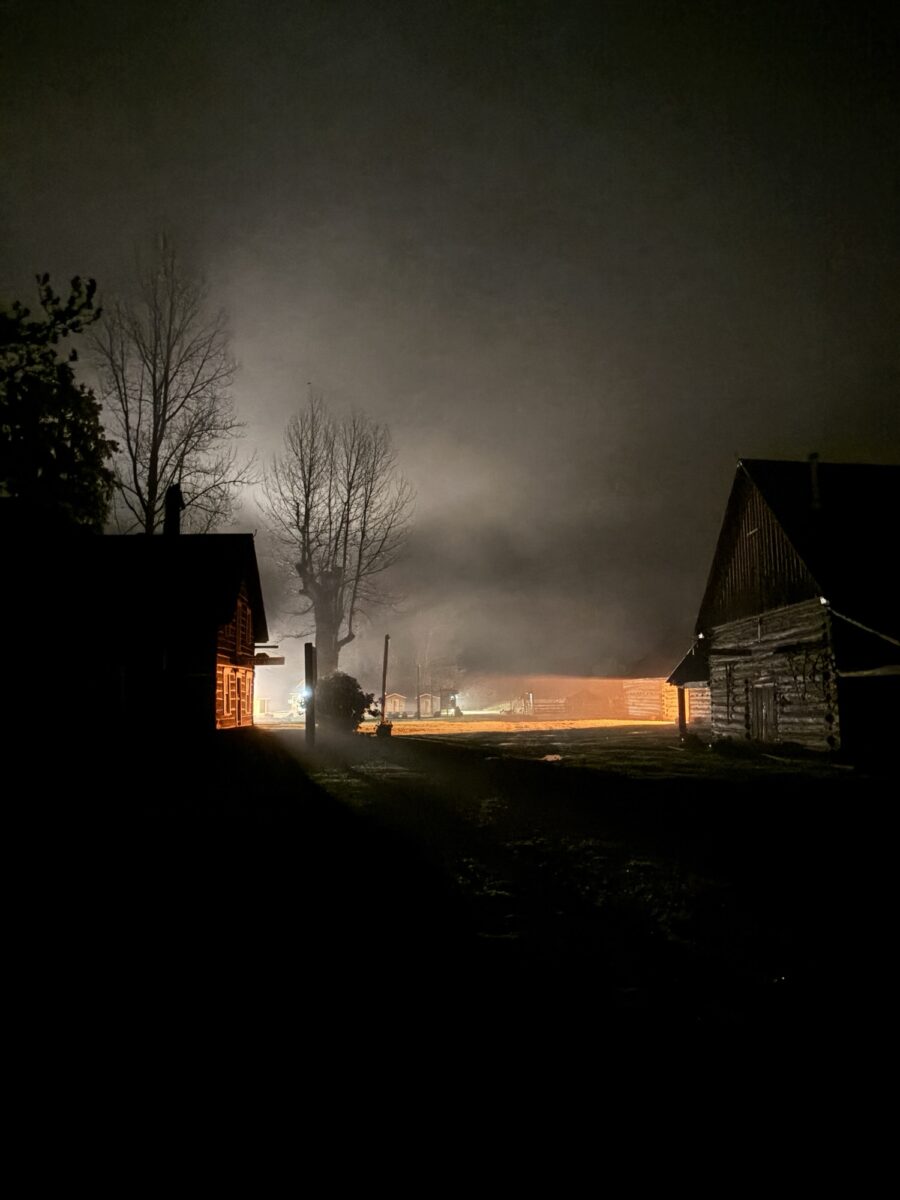
Investigators spent nights at the haunted Cottonwood House near Barkerville. See the real Estes responses, physical touches, SLS captures, and evidence they caught.
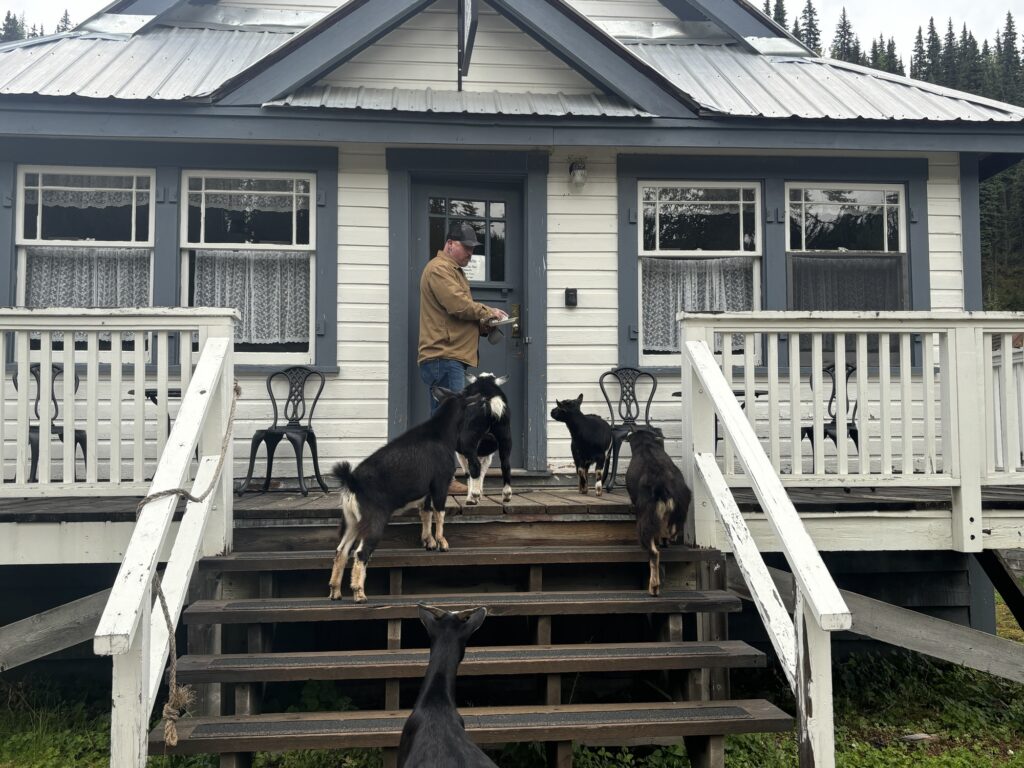
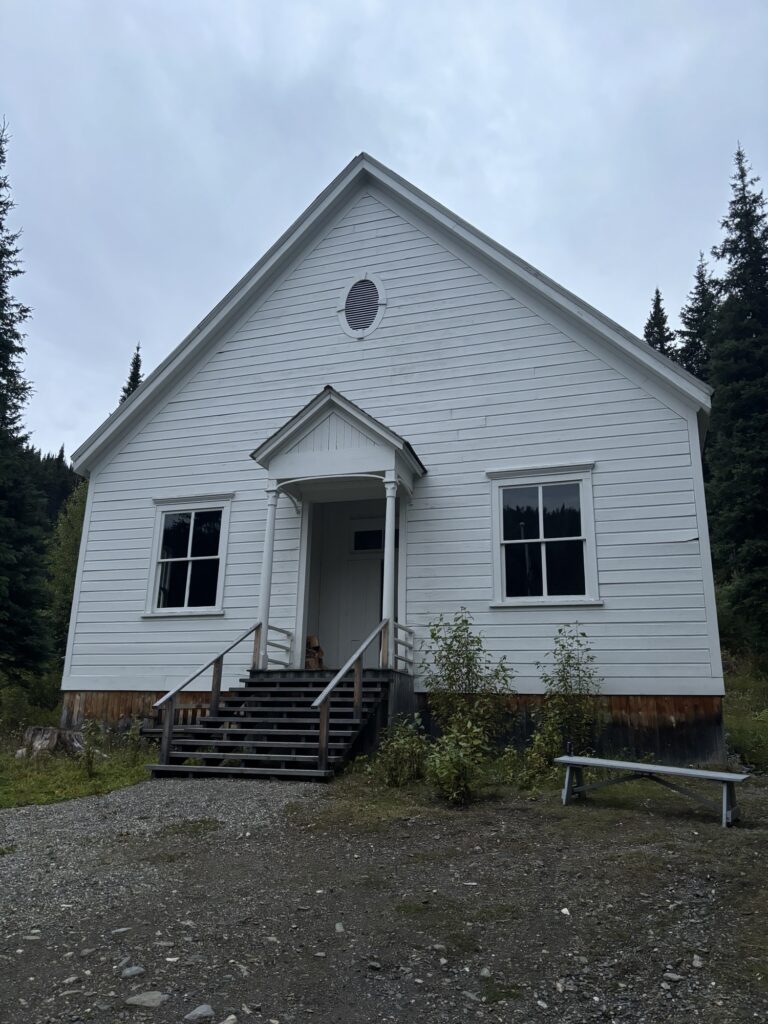
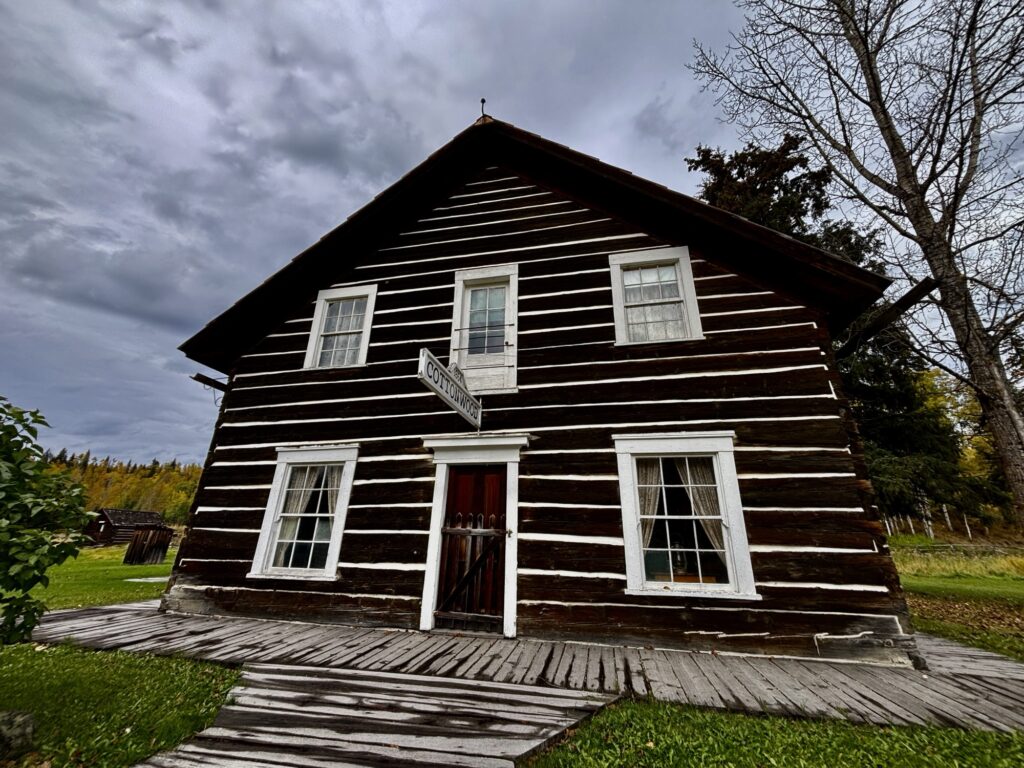
Along the historic Cariboo Wagon Road between Quesnel and Barkerville, British Columbia, stands Cottonwood House Historic Site — one of the last surviving 1860s roadhouses from the Gold Rush era. Built in the mid-1860s and operated for three generations by the Boyd family, this remote property has long been the subject of staff and visitor reports of unexplained activity.
In a multi-night investigation for the series Our Haunted Heritage, paranormal investigators Jacob Rice (Ghostly Activities), Mike Morin, and Anthony Germain (The Paranormal Roadtrippers) documented some of the strongest activity ever recorded at the location.
Here’s everything that happened.
History of Cottonwood House
Cottonwood House served as a vital stop for miners, freighters, and stagecoach travelers heading to Barkerville. John Boyd and his wife Janet raised ten children on the property. Their daughter Ida suffered a severe head injury in a horse accident, lost her eyesight, and died at age nine in a Victoria hospital. John Boyd himself is buried on the grounds.
Today the site is managed by the Barkerville Heritage Trust. Guests and staff frequently report the overwhelming sensation of being watched, disembodied footsteps, and the feeling of being followed.
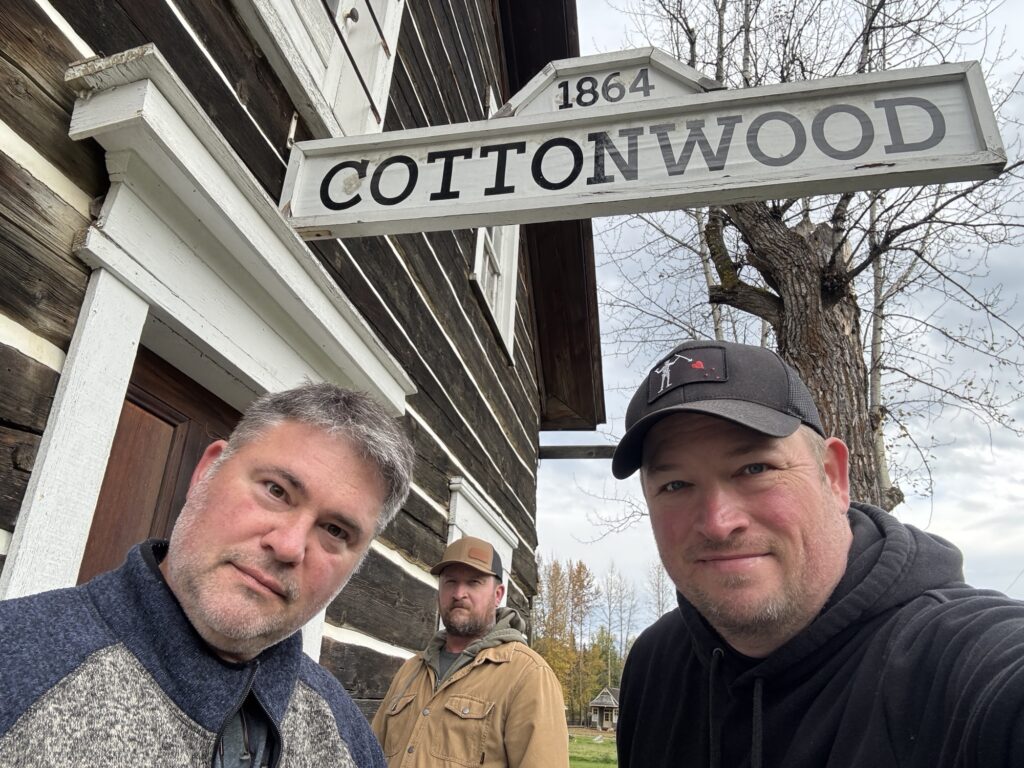
Main House Investigation – Night One
Investigators: Jacob Rice, Mike Morin, and Anthony Germain
The team began in the main house after dark. Within minutes they heard music coming from the upper floor. Footsteps were also heard, though some were later attributed to the creaky wooden structure.
Equipment used:
- Boo Buddy interactive trigger bear
- Tracer wire / tripwire
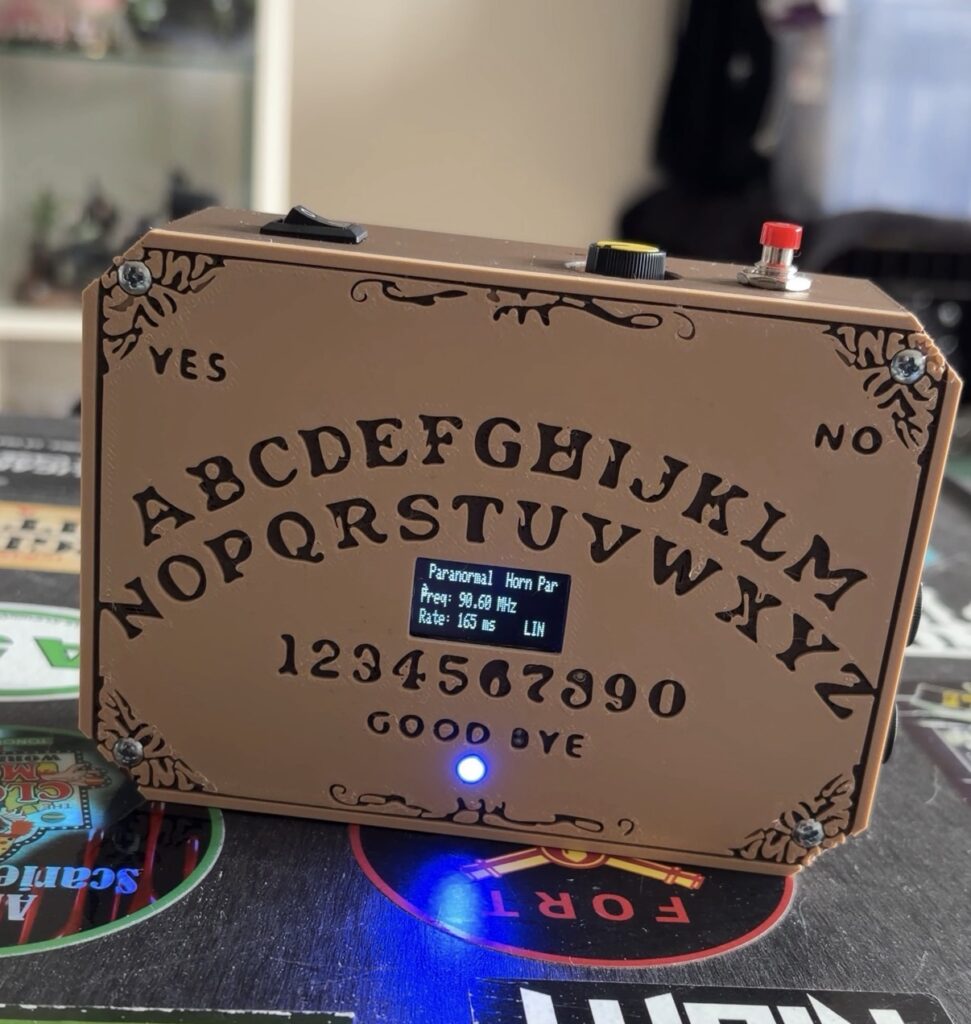
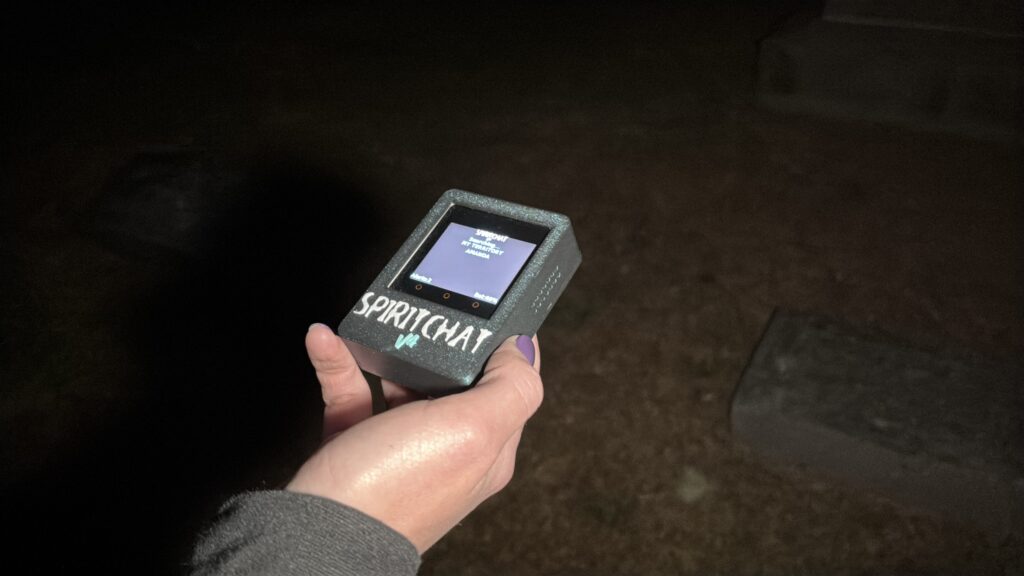
- Spirit Chat device
- Wave shell movement sensor
- Estes method (spirit box + noise-canceling headphones)
- K-II EMF meters
- Static and roaming cameras
- Infrared camera
Key evidence and encounters:
- Clear Estes responses including “She is coming here” and the repeating phrase “I don’t think I can with her / I don’t seem to get her”
- Multiple physical sensations: headset being thumped, direct touches, chair rocking, cold spots on the wrist, and the feeling of small fingers running along skin
- Ground vibration near an investigator’s foot
- Sensation of pacing and tapping footsteps with no visible source
- Repeated K-II spikes correlating with questions and physical experiences
- Boo Buddy and tracer wire activations
The team noted the activity felt intelligent and focused, particularly around a female or child presence.
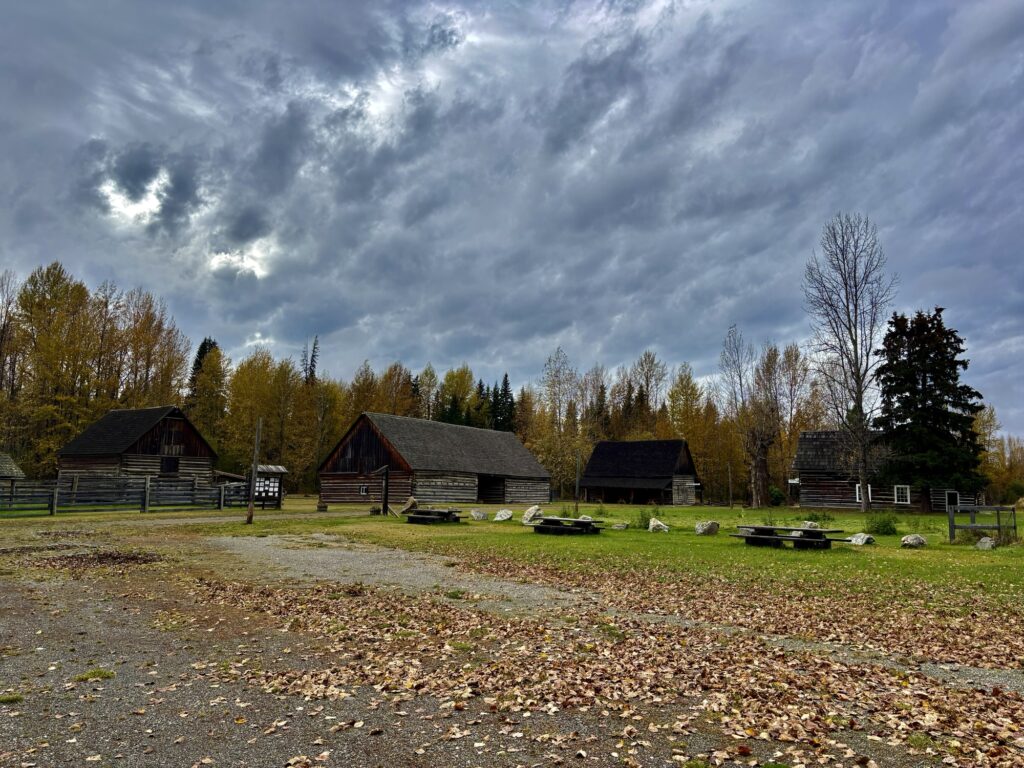
Guest House & Barn – Solo Investigations
The investigators split up for solo sessions in complete darkness.
Guest House
Equipment: Spirit Chat (version 4 / “Lola”), para tripwire, Christmas-lights EMF detector, REM pod
Responses included phrases such as “You can’t leave” and “estate grounds.” The atmosphere was described as significantly heavier and more oppressive than the main house. Rumors of Judge Matthew Baillie Begbie (the “Hanging Judge”) having stayed here added extra tension to the session.
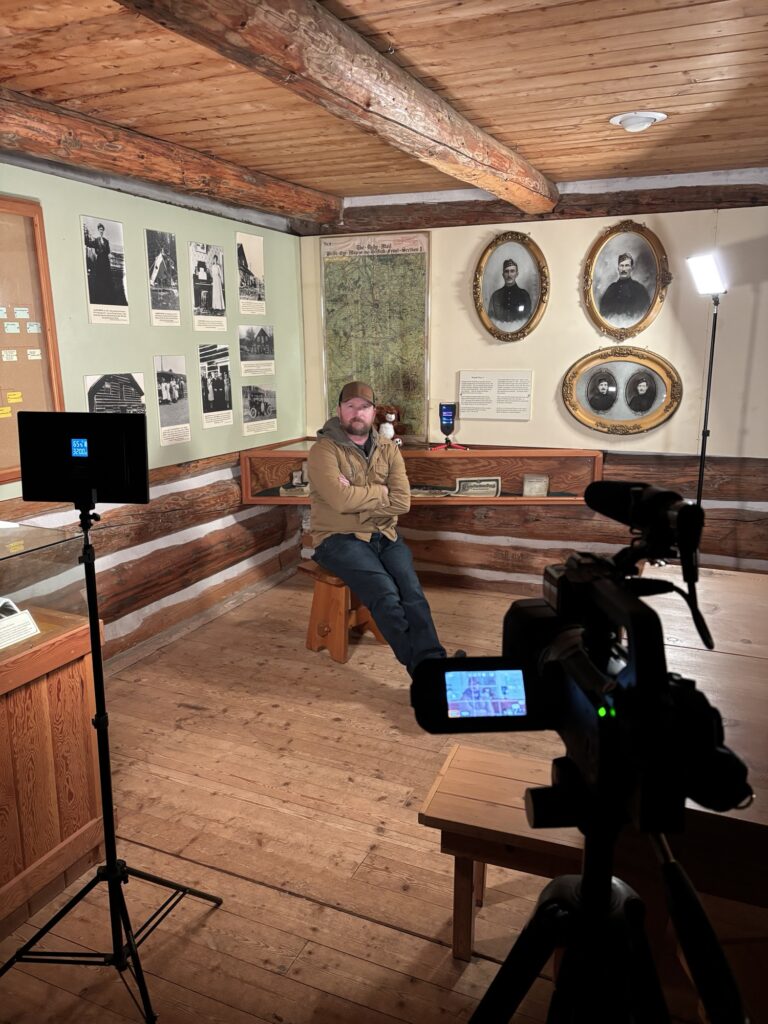
Barn / Tack Barn
Investigator: Mike Morin Equipment: Spirit Chat, SLS camera
This session produced some of the most compelling evidence of the entire investigation:
- Real-time battery drain on the Spirit Chat (percentage dropping and rising repeatedly)
- Direct responses: “It’s always me,” “teddy bear,” “diphtheria,” “exorcism,” and “malevolent”
- Clear “Yes” when asked if the presence used to drive or ride a carriage
- Mike’s hand went ice-cold; the cold and a touch on his finger were visible on the SLS camera
- Footsteps heard approaching
Mike described the interaction as highly responsive and physically tangible.
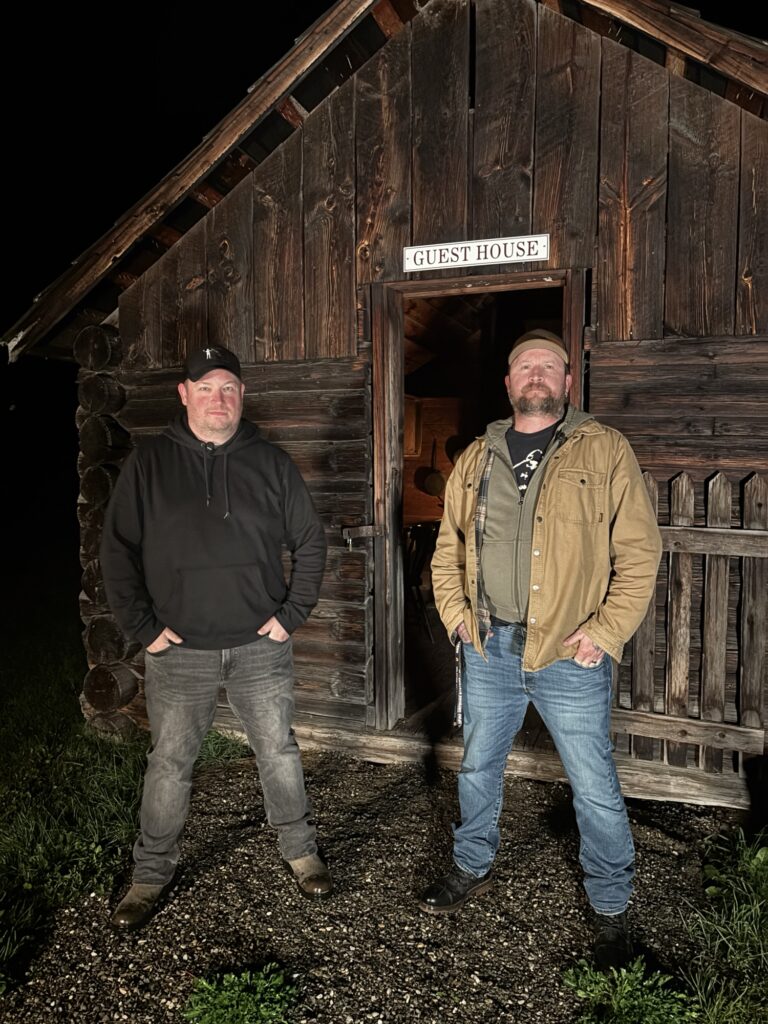
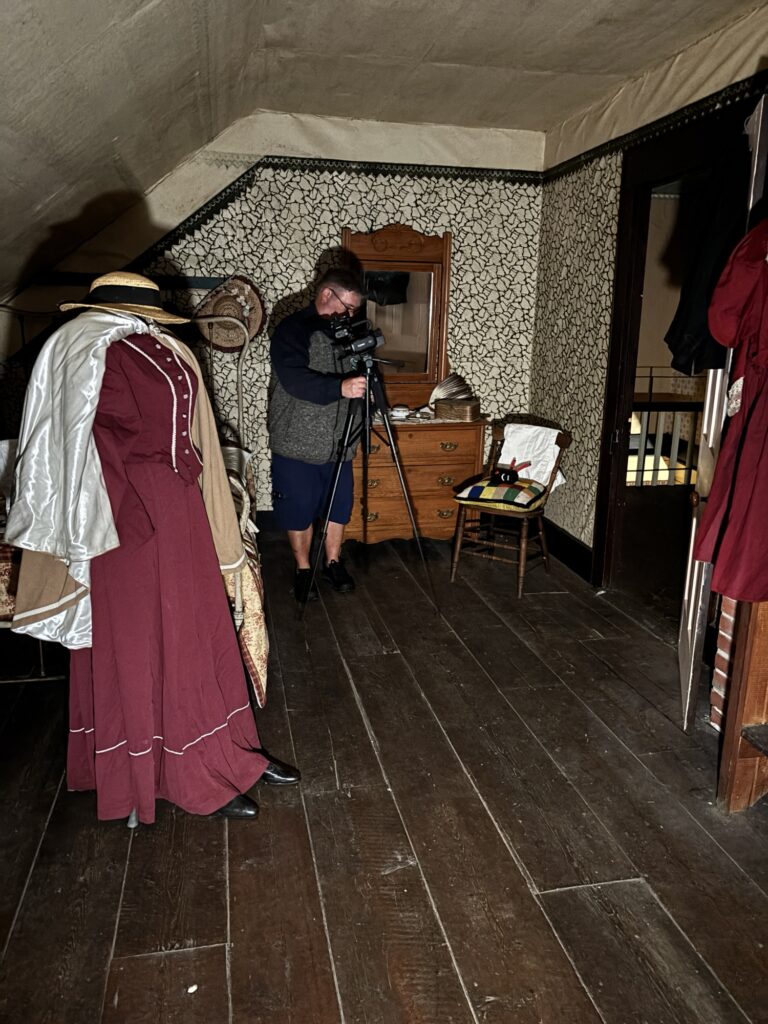
Main House – Night Two (Upstairs Rooms)
Equipment used:
- Boo Buddy
- Tracer wire
- SLS mini
- E-puck
- Para shell / wave shell
- Estes method
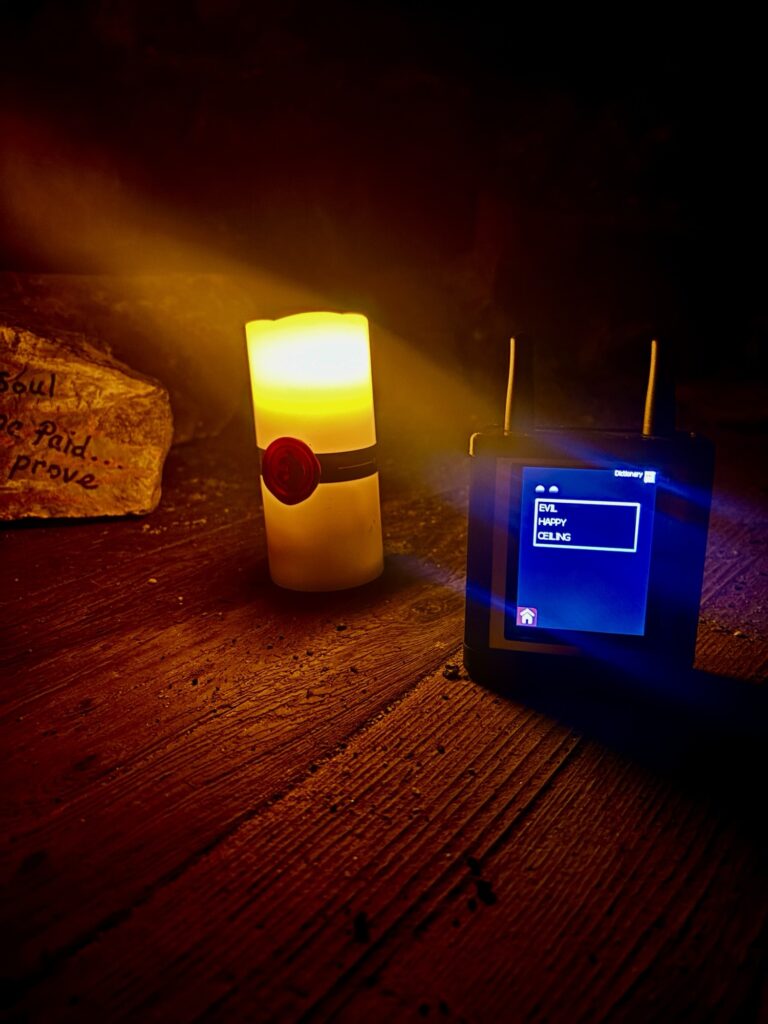
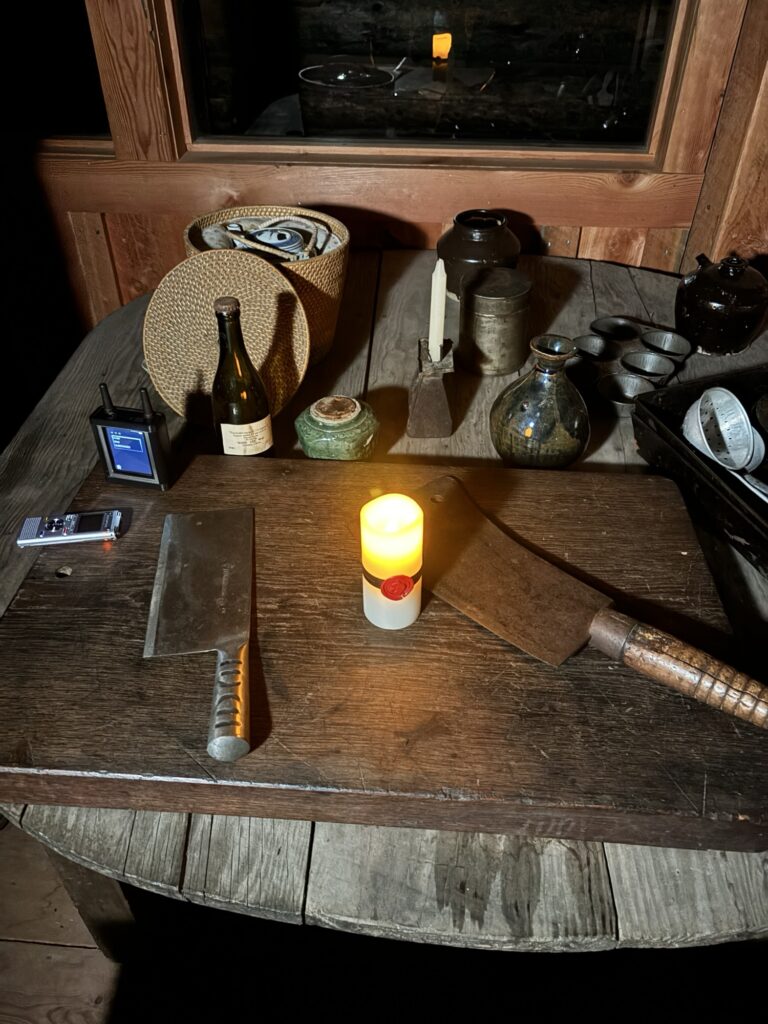
- Candle as a trigger object
Key evidence and encounters:
- Immediate physical touch on the right side during Estes method
- Word “nervous” came through as a large presence entered the room
- Both investigators felt vibrations and footsteps moving beside them
- Female voice saying “The man,” “I’m over here,” “Come here,” and “Alone”
- Male voice responding “I’m coming”
- Sensation of “warm fuzzies” and a strong “electric hug”
- Response of “Careful” when asking about a young girl
- Candle (previously inactive the entire investigation) began flickering and extinguishing repeatedly in the girl’s boarding room
- Temperature fluctuations and continued device hits throughout the children’s room and boarding rooms
Final Thoughts on the Cottonwood House Investigation
Across two nights the team recorded a consistent pattern of intelligent communication, physical interaction, and device correlations. A recurring theme involved a female or child presence, possibly connected to Ida Boyd, alongside other energies tied to the property’s long history as a roadhouse.
The combination of Estes method responses, SLS captures, real-time battery drain, timed EMF spikes, and direct physical touches makes this one of the more compelling documented investigations at a British Columbia heritage site.
Cottonwood House remains open to the public as a historic site during the summer months. Whether you visit for the Gold Rush history or the lingering presence of those who once lived and worked there, many leave with the distinct feeling that they were not alone.
Have you ever experienced anything unusual at Cottonwood House or along the Cariboo Gold Rush Trail? Share your story in the comments below.